
Families &
Providers
Music can support connection, communication, learning, and joyful participation for children of all abilities.
Explore frequently asked questions, practical resources, and music-based ideas that support young children, families, and interdisciplinary practice.
Frequently Asked Questions
What is music therapy?
Music therapy uses music-based experiences to support development, communication, relationships, learning, and participation for children of all abilities.
Board-certified music therapists use singing, movement, instruments, improvisation, listening, and playful musical interaction within individualized and developmentally responsive experiences.
Music therapy services may take place in homes, schools, healthcare settings, early intervention programs, and community environments.
How is music therapy different from music education?
Music education primarily focuses on developing musical knowledge and performance skills.
Music therapy uses music intentionally within a therapeutic and relationship-based process to support developmental, social-emotional, communication, sensory-motor, and participation goals.
Music therapists and music educators may collaborate in inclusive educational and community settings.
Will music therapy help this child?
Many children are naturally engaged by music, rhythm, movement, and shared musical experiences.
Music therapy may support:
- communication and interaction
- emotional expression and co-regulation
- social engagement
- motor development
- attention and participation
- caregiver-child connection
A music therapist can help determine whether music therapy is an appropriate support within a child’s broader developmental and interdisciplinary plan.
What happens in a music therapy session?
Music therapy sessions are adapted to each child’s developmental profile, sensory preferences, communication style, and interests.
Sessions may include:
- singing
- instrument play
- movement
- improvisation
- musical games
- sensory-motor experiences
- storytelling and songbooks
- caregiver-child musical interaction
Music therapists use evidence-informed and relationship-based approaches to support engagement, expression, interaction, and joyful participation.
Do parents or caregivers participate in music therapy sessions?
Family involvement is often encouraged, especially in early childhood and caregiver-mediated settings.
Shared music experiences can support:
- connection and interaction
- co-regulation
- communication
- routines and transitions
- confidence in using music throughout daily life
Music therapists may also provide strategies families can adapt at home and within community routines.
How are goals developed in music therapy?
Music therapists collaborate with children and families, educators, therapists, and other professionals to identify meaningful and functional areas of support.
Goals may address:
- communication
- social-emotional development
- motor coordination
- attention and engagement
- play and interaction
- learning and participation
Progress is documented through ongoing observation, reflection, and interdisciplinary collaboration.
Do I need musical experience to use music at home?
No musical training is needed.
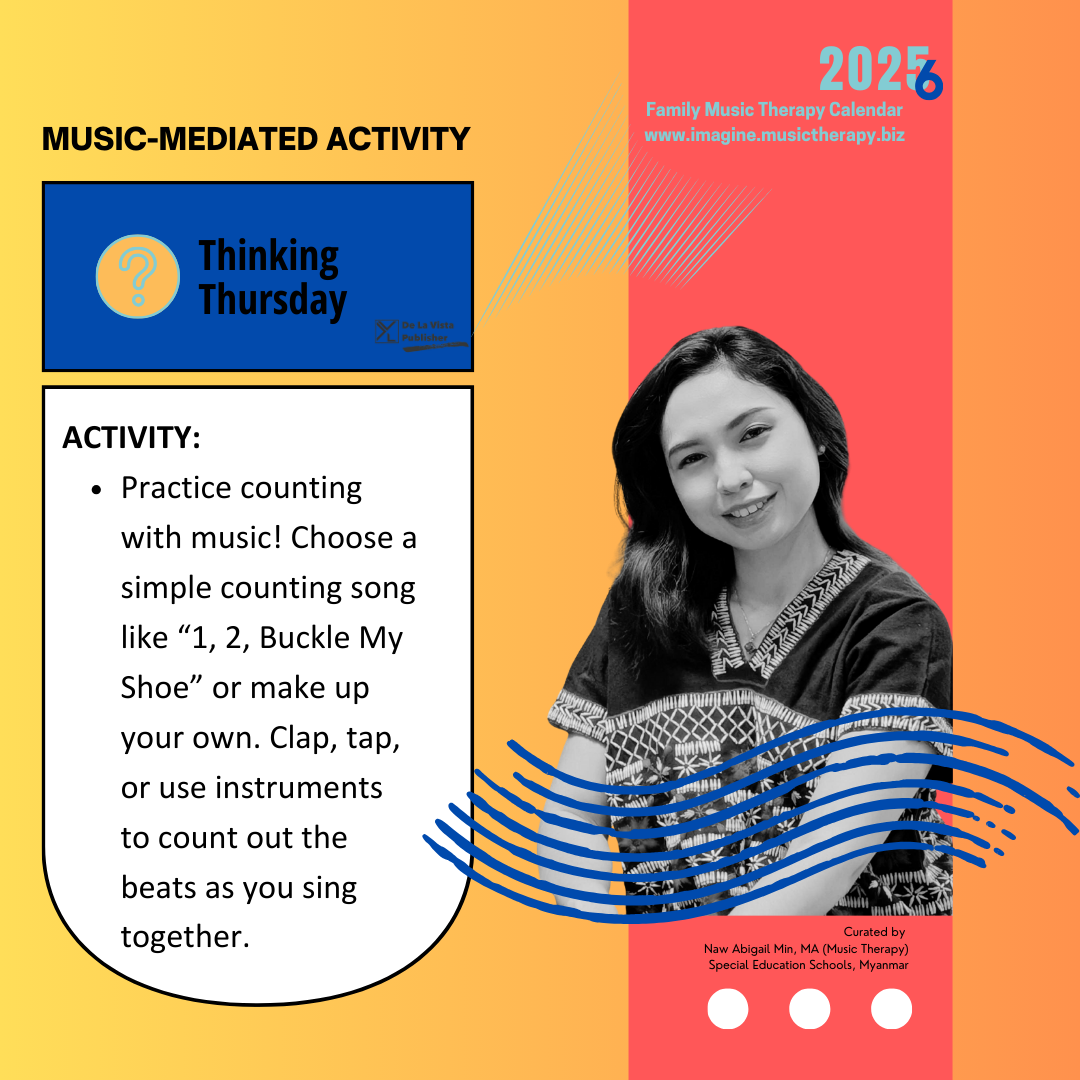
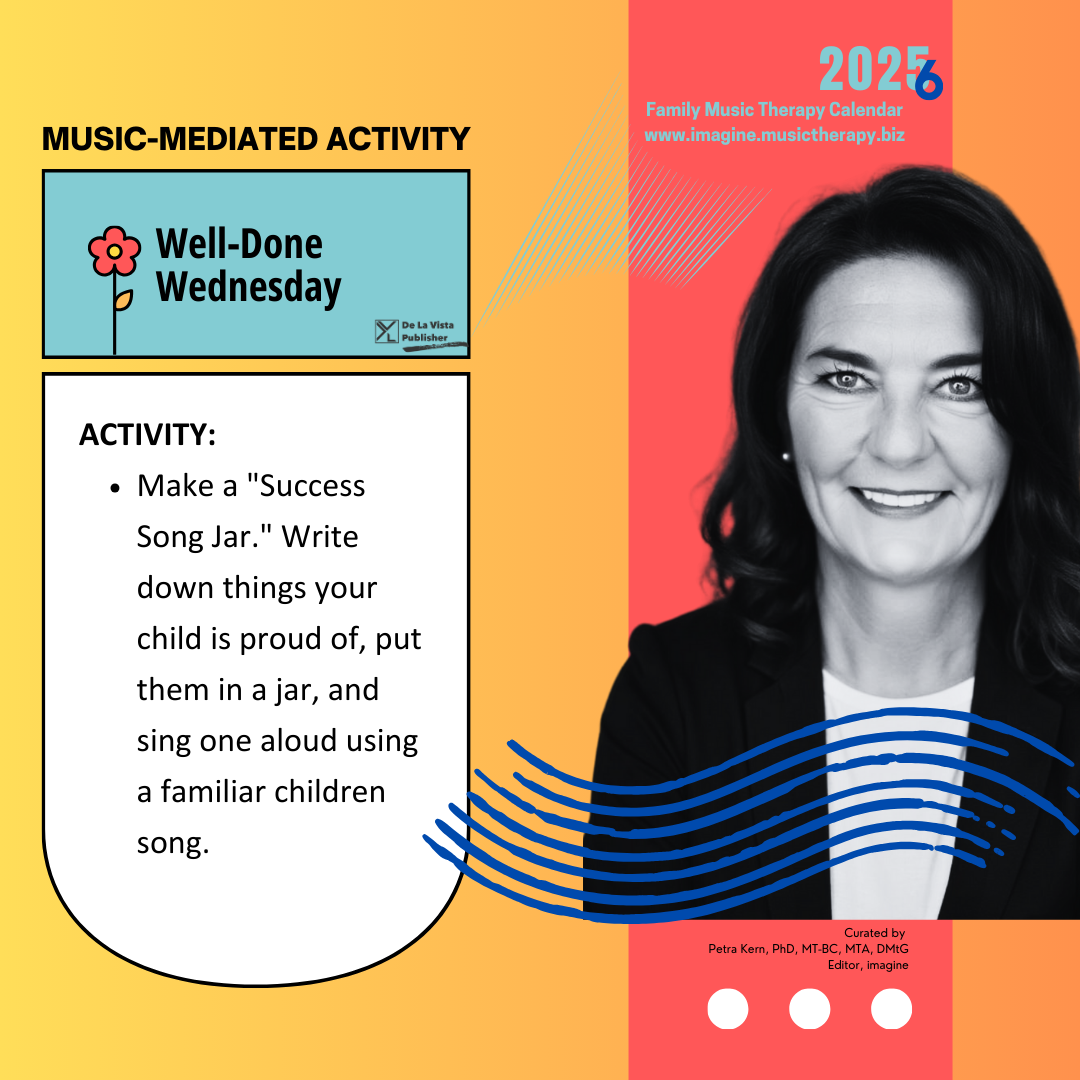
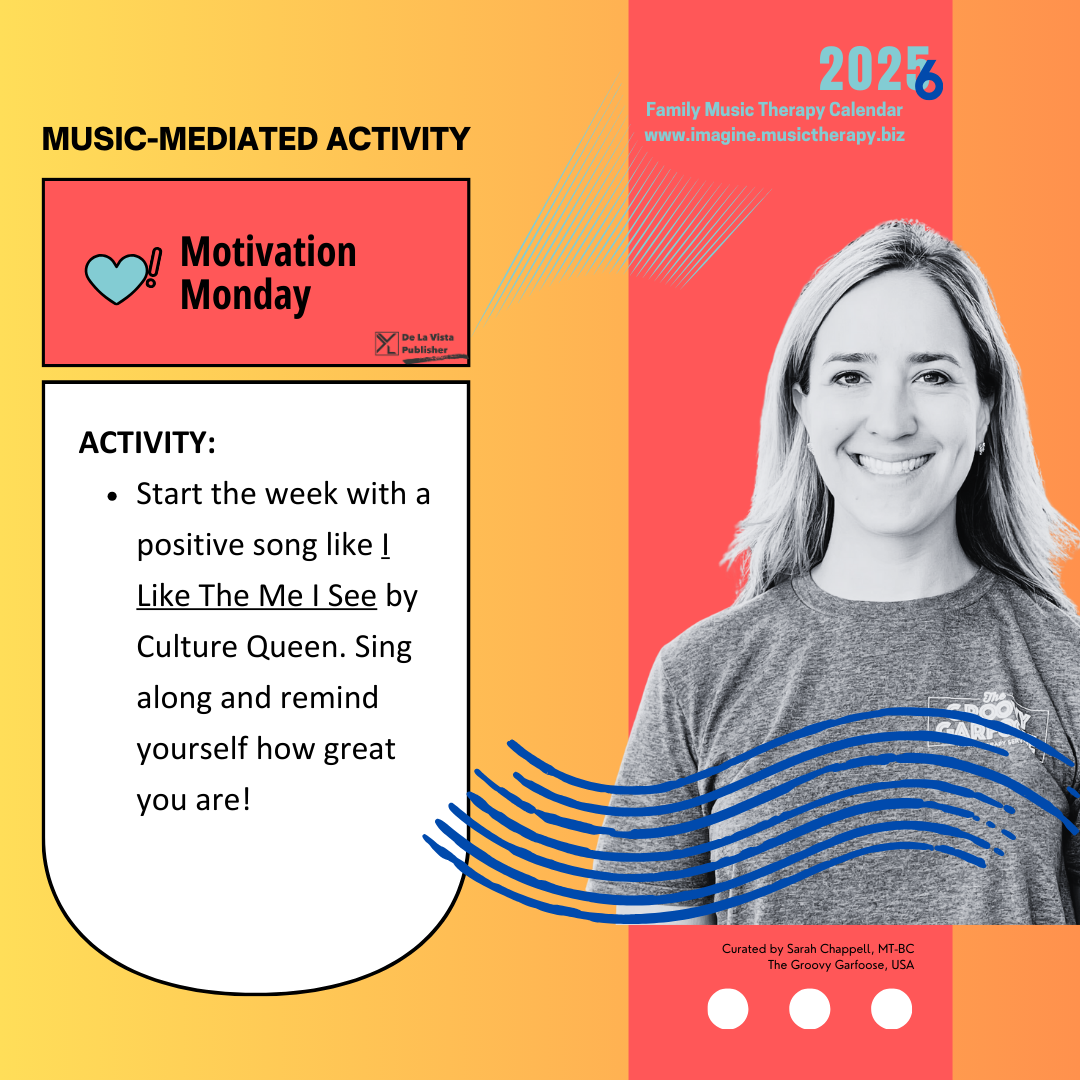
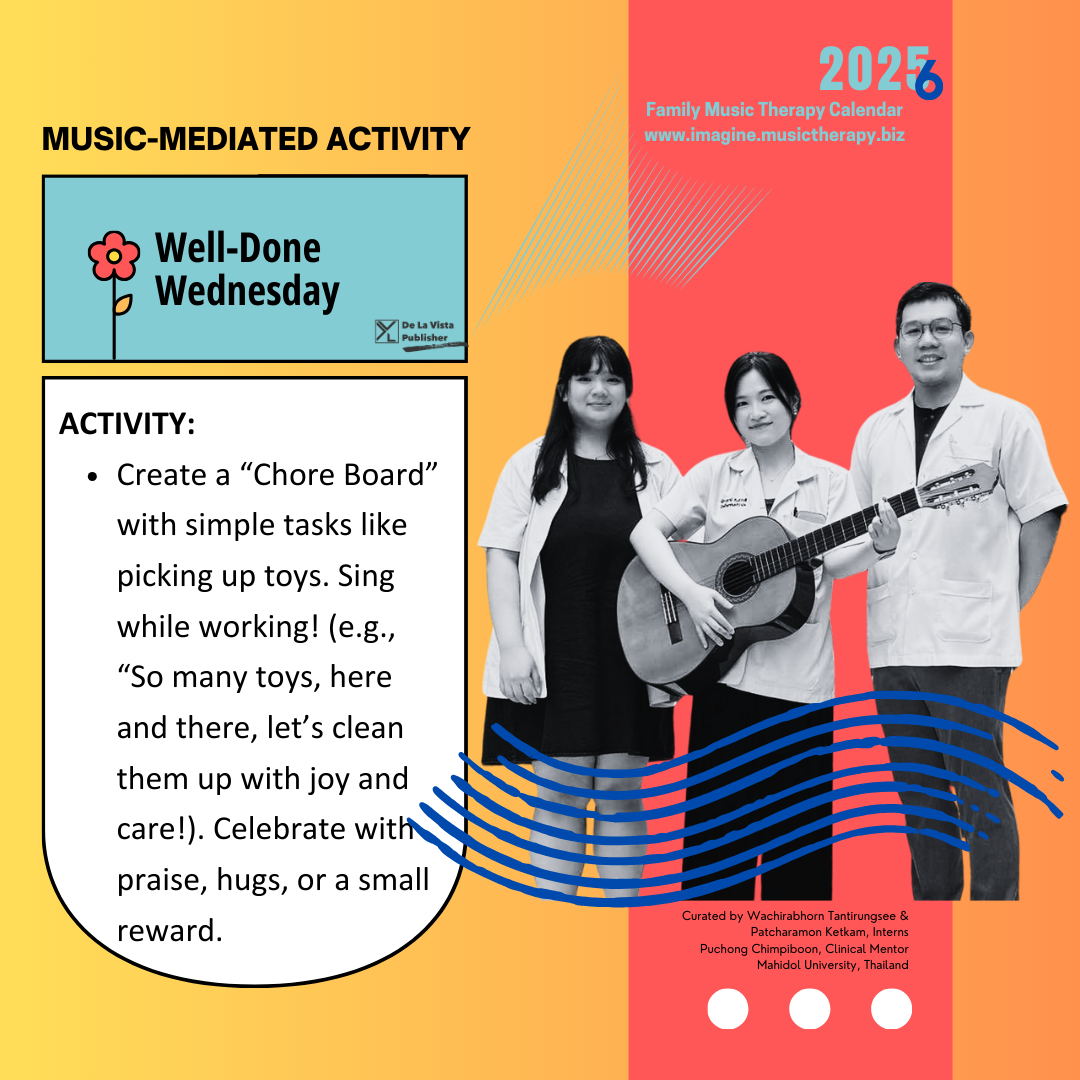
Simple musical interactions — including singing, movement, rhythm, playful sound-making, and shared listening — can support connection and participation within everyday routines.
Music therapists can help families identify accessible and developmentally appropriate ways to use music naturally throughout daily life.
How are music therapy services funded?
Funding options vary depending on location, service setting, and available resources.
Music therapy services may be supported through:
- schools and early intervention programs
- healthcare and rehabilitation systems
- nonprofit or community organizations
- grants
- private pay
- insurance reimbursement in some regions
Families and providers are encouraged to explore local funding opportunities and consult organizations in their area.
When is music therapy no longer needed?
Music therapy needs may change over time as children grow, develop, and transition into new environments and experiences.
Some children participate for a short period around specific developmental needs, while others benefit from longer-term support.
Decisions about continuing or ending services are made collaboratively, with attention to the child’s participation, well-being, progress, and changing needs over time.
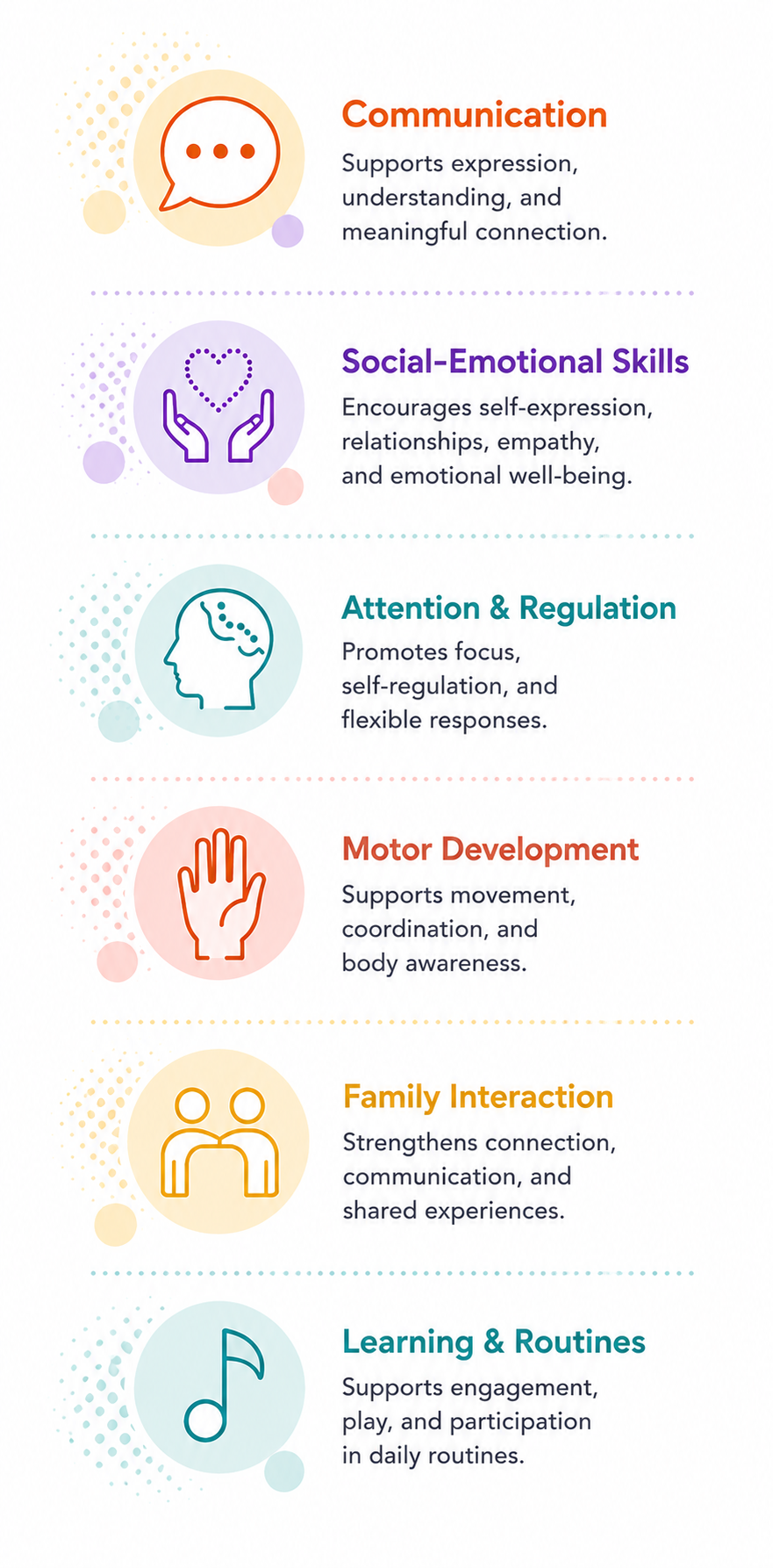
What Music Therapy Can Support
Explore Music-Based Resources
Hand-selected and created by our imagine authors.
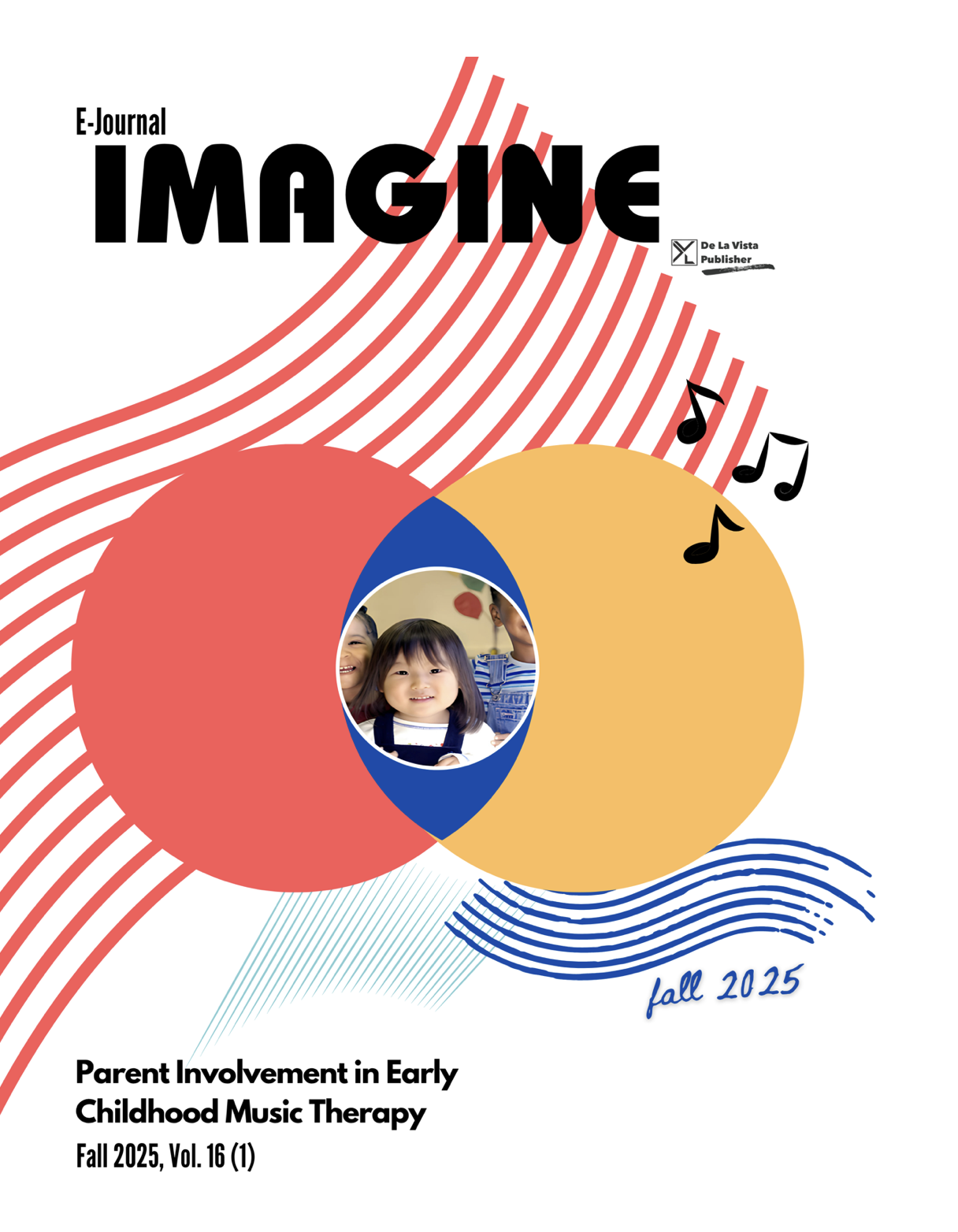
Issue 2025
Parent Involvment
International Authors
Family Story
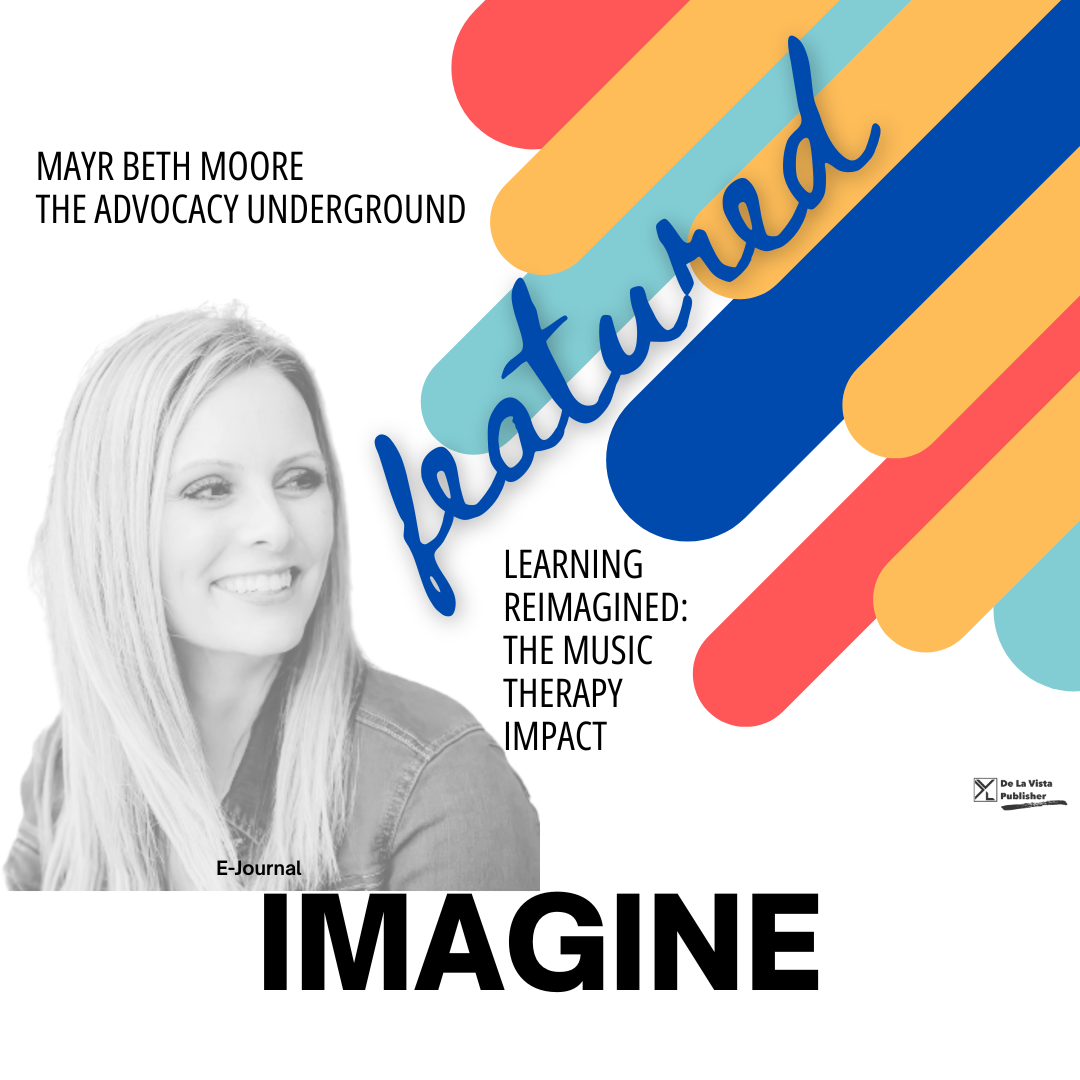
Learning Re-Imagined
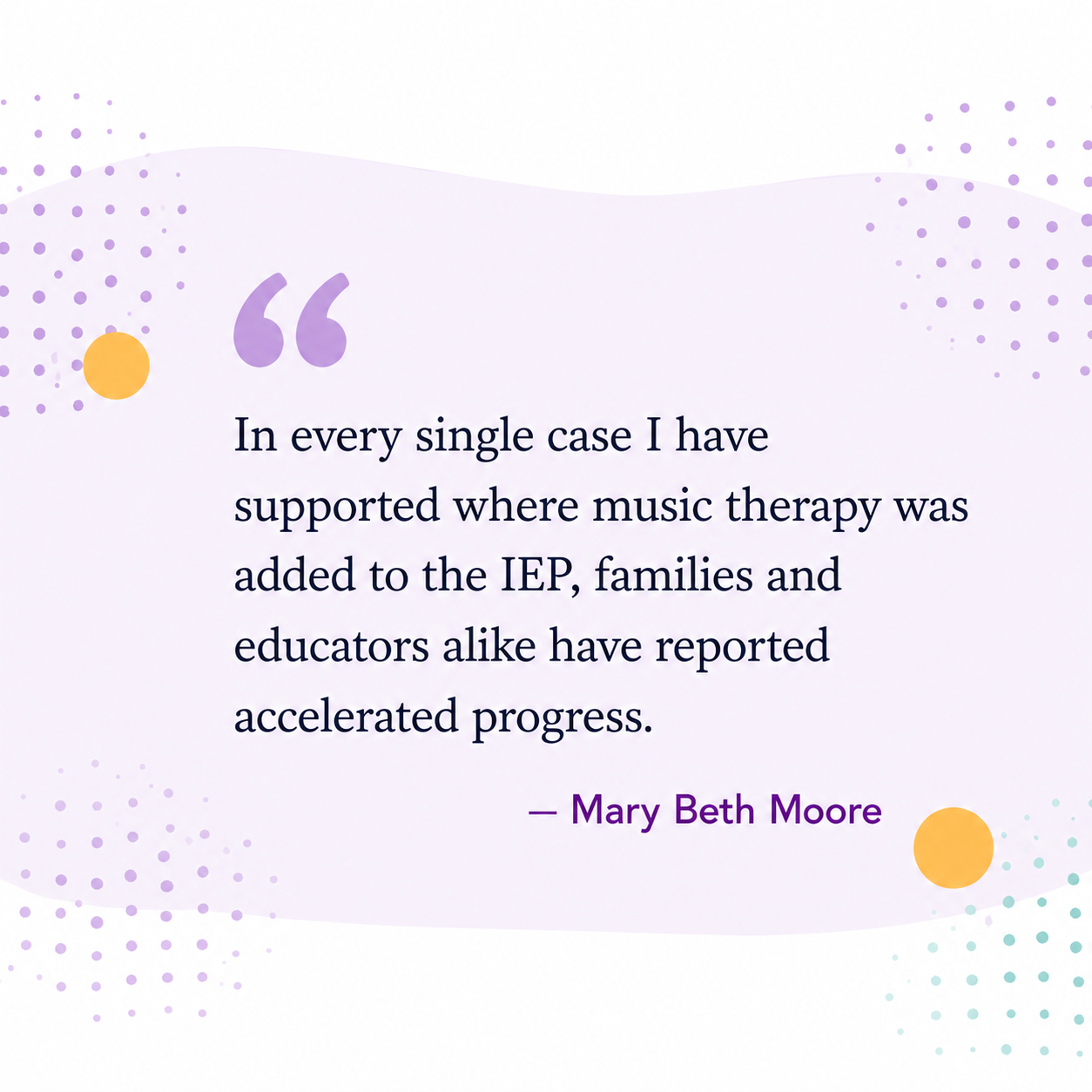
Mary Beth Moore
Podcast
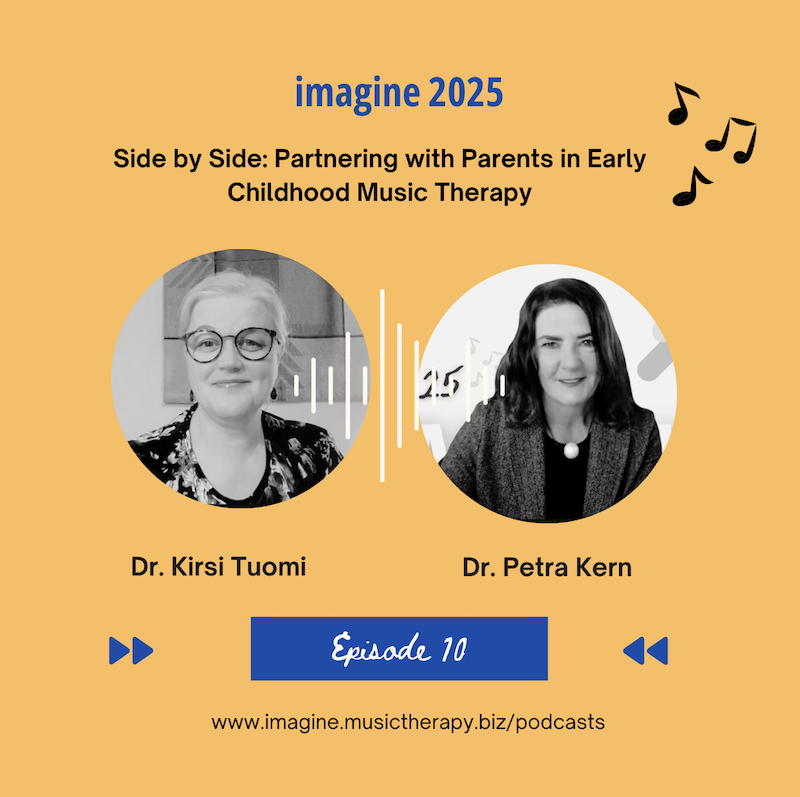
Side-by-Side
Dr. Kirsi Tuomi
At-Home
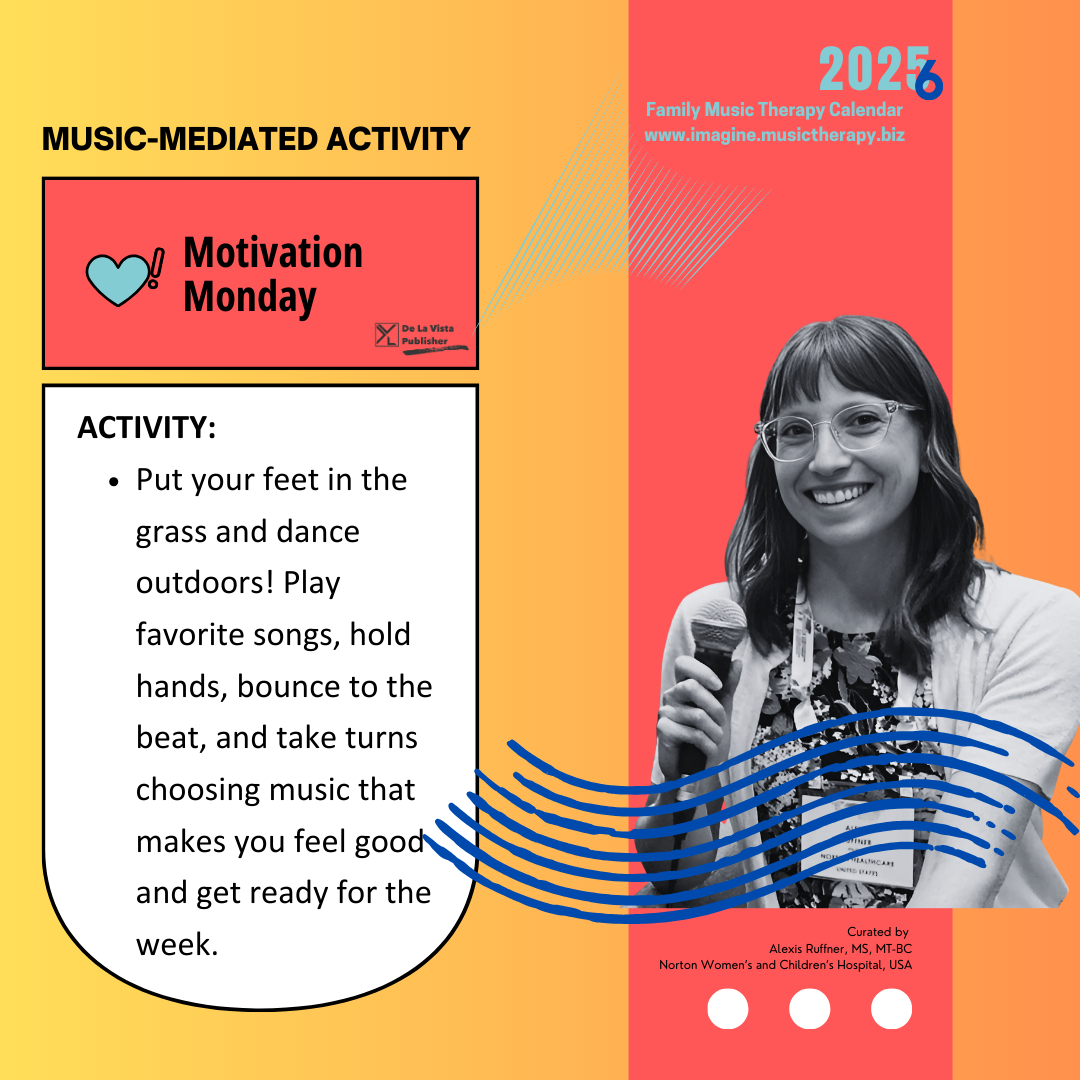
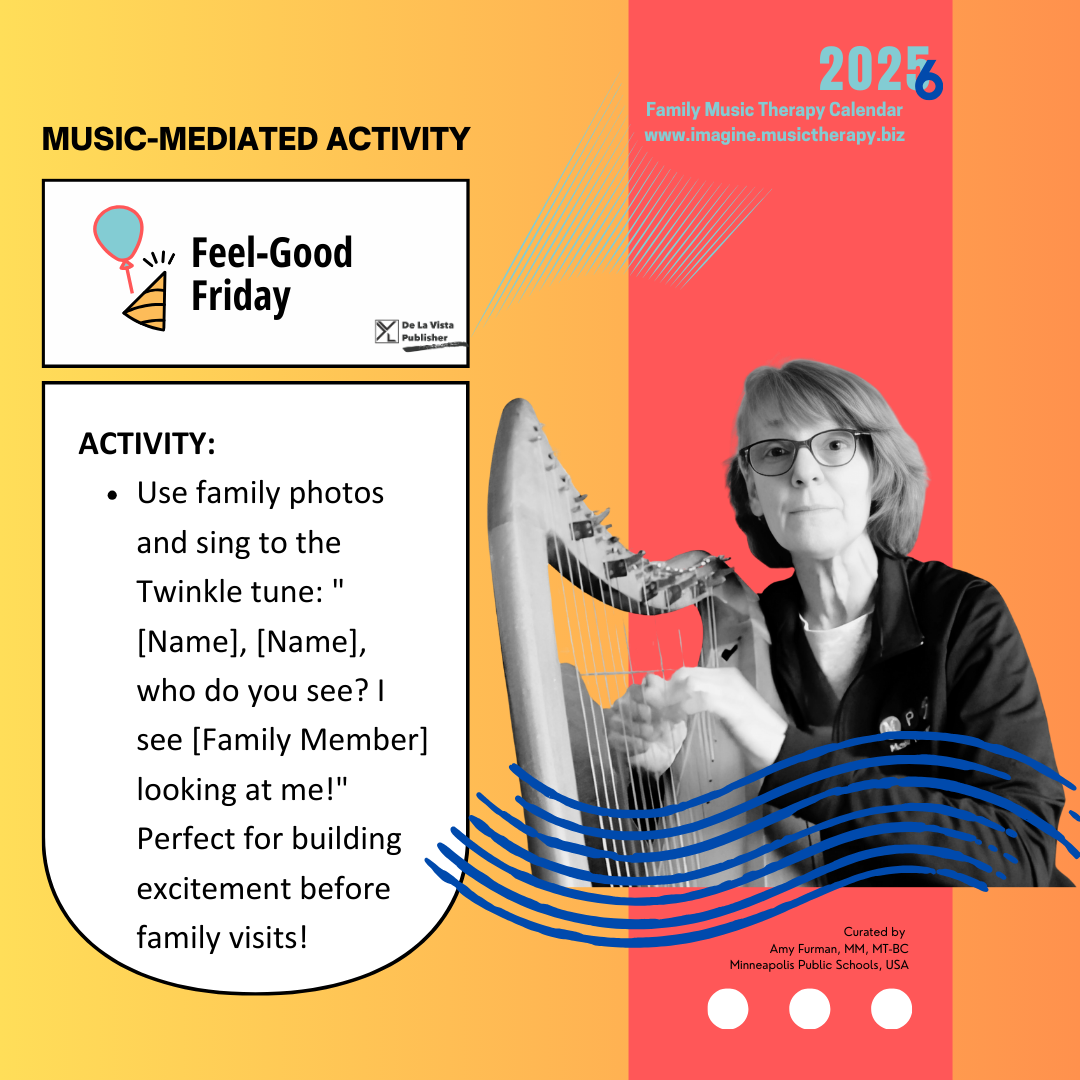
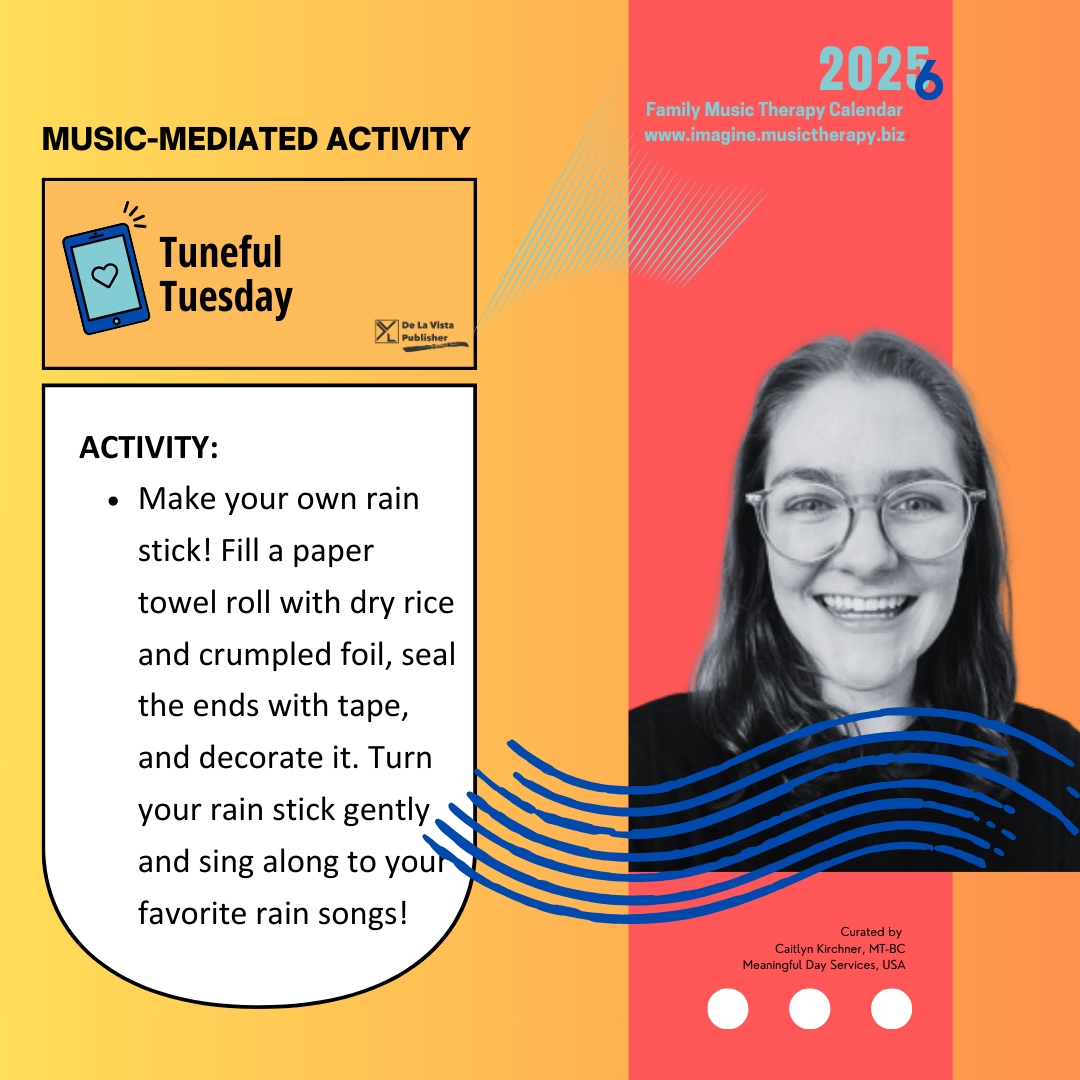
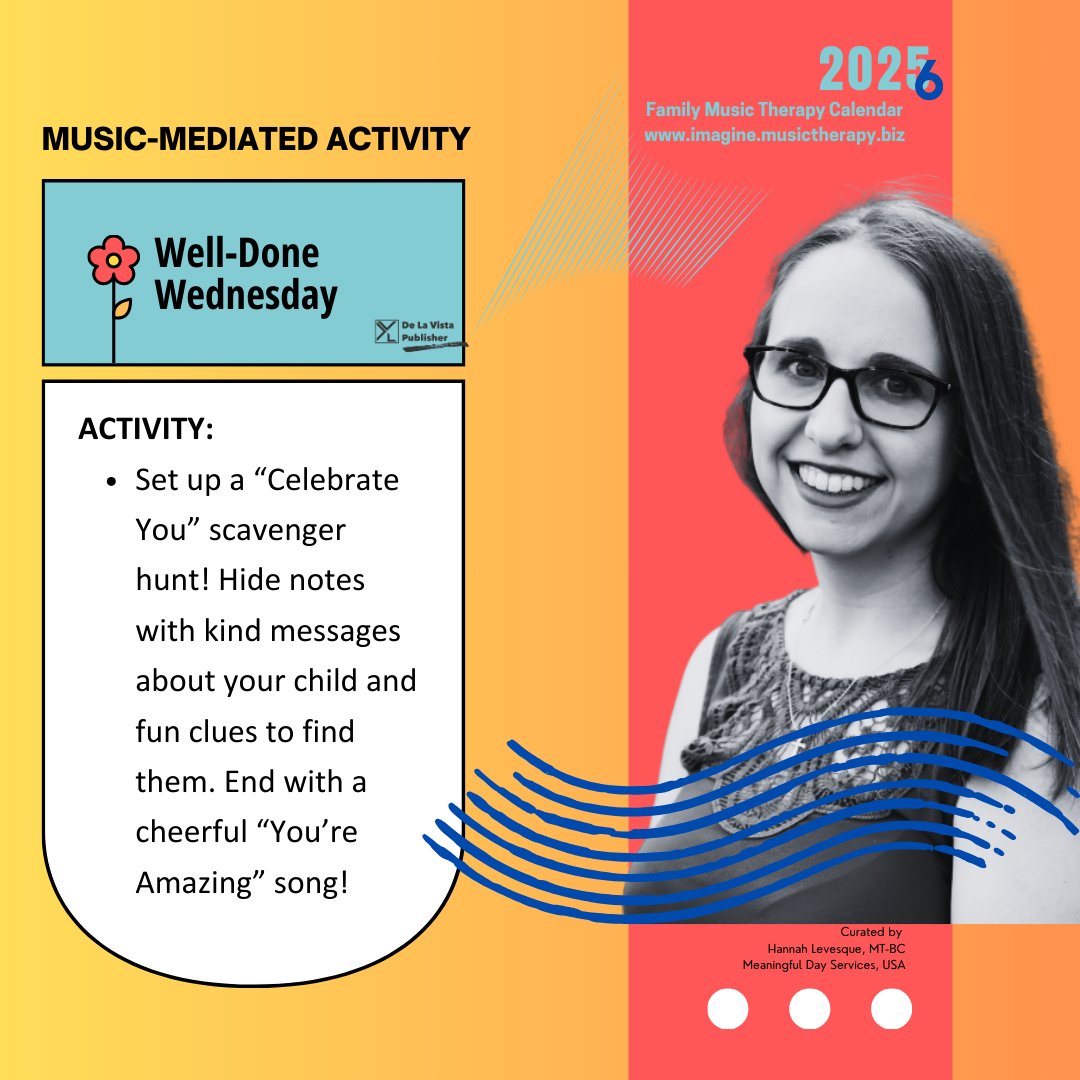
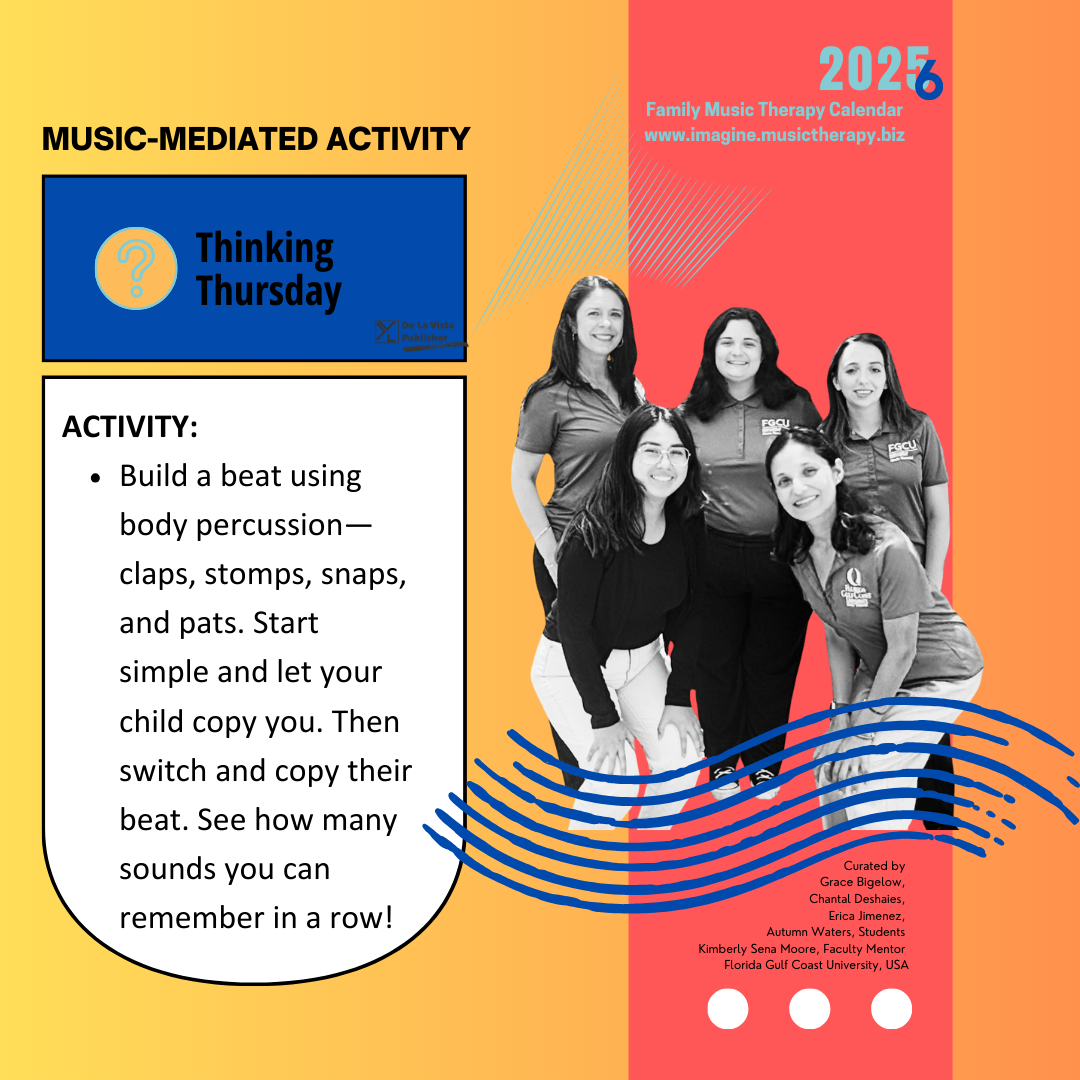
Music Play Ideas
International Authors
Instruments
Jack Knows and Shows
From Child to Child
Stay conncted with imagine
Explore highlights from the imagine e-journal, including family-centered resources, global perspectives, interdisciplinary conversations, and creative music-based practices in early childhood music therapy.